
Landscaping for Home Staging That Elevates Curb Appeal
Ceci Cook June 18, 2024
Ceci Cook June 18, 2024
Strategic exterior landscaping elevates property marketability, adding between 7% and 14% to perceived resale value while reducing days on market. Basic lawn restoration yields up to 217% cost recovery, creating immediate positive curb appeal that frames interior living spaces for qualified buyers.
Landscape Upgrade | Estimated Cost Recovery | Execution Timeline | Primary Buyer Impact |
|---|---|---|---|
Lawn Care & Reseeding | 200% to 217% | 2 to 4 weeks | Signals meticulous general maintenance and fresh pride of ownership |
Fresh Bark Mulch & Edge Definition | 100% to 104% | 1 to 2 days | Creates crisp contrast against foundations and suppresses weeds |
Pruning & Window Sightline Clearing | 87% to 100% | 2 to 3 days | Maximizes interior natural sunlight and expands exterior facade scale |
Low-Voltage Pathway Lighting | 59% to 75% | 2 to 4 days | Elevates evening showing atmosphere and highlights mature trees |
Exterior presentation and defensible space planning play pivotal roles in Sonoma County transactions. Discover neighborhood valuation benchmarks or explore available properties.
When preparing a home for market, interior staging steps like decluttering closets, applying fresh neutral interior paint, and optimizing furniture placement are standard procedure. Yet the exterior streetscape creates the initial psychological baseline before prospective buyers step across the threshold. The exterior facade sets buyer expectations for overall maintenance quality, structural care, and pride of ownership.
A manicured landscape conveys that the property has been preserved with precision. In contrast, overgrown vegetation, bare soil patches, or neglected garden beds can trigger doubts regarding roof condition, drainage integrity, and deferred maintenance. Real estate research indicates that properties with exceptional curb appeal command 7% to 14% higher sales prices compared to homes with neglected exteriors.
Source: National Association of Realtors Remodeling Impact Report for Outdoor Features and Michigan State University landscape valuation study.
Exterior improvements deliver varied returns. Strategic sellers concentrate capital on high-visibility curb improvements that maximize photograph quality, enhance twilight drive-bys, and support appraisal condition ratings.
Landscape staging requires careful alignment with the architectural character of the residence. A discordant design can detract from architectural features rather than complement them.
In historic communities like Healdsburg, Craftsman bungalows and Queen Anne Victorians benefit from structured stone pathways, flowering perimeter borders, and heritage garden plantings that respect period craftsmanship. Contemporary builds along hillside parcels require minimalist mass plantings, architectural grasses, and clean gravel hardscapes. Modern ranch homes and country ranchettes shine with broad horizontal lawns, drought-hardy groundcovers, and framed vineyard sightlines.
Sellers preparing for professional photography and open house tours should systematically execute improvements across six primary landscape areas.
A dense green lawn provides a clean visual foreground in real estate marketing photography. Timely aeration, overseeding, balanced fertilization, and precision edging deliver dramatic visual gains within a short window. If existing turf suffers from severe burn or weed encroachment, targeted sod installation offers an immediate solution prior to broker previews.
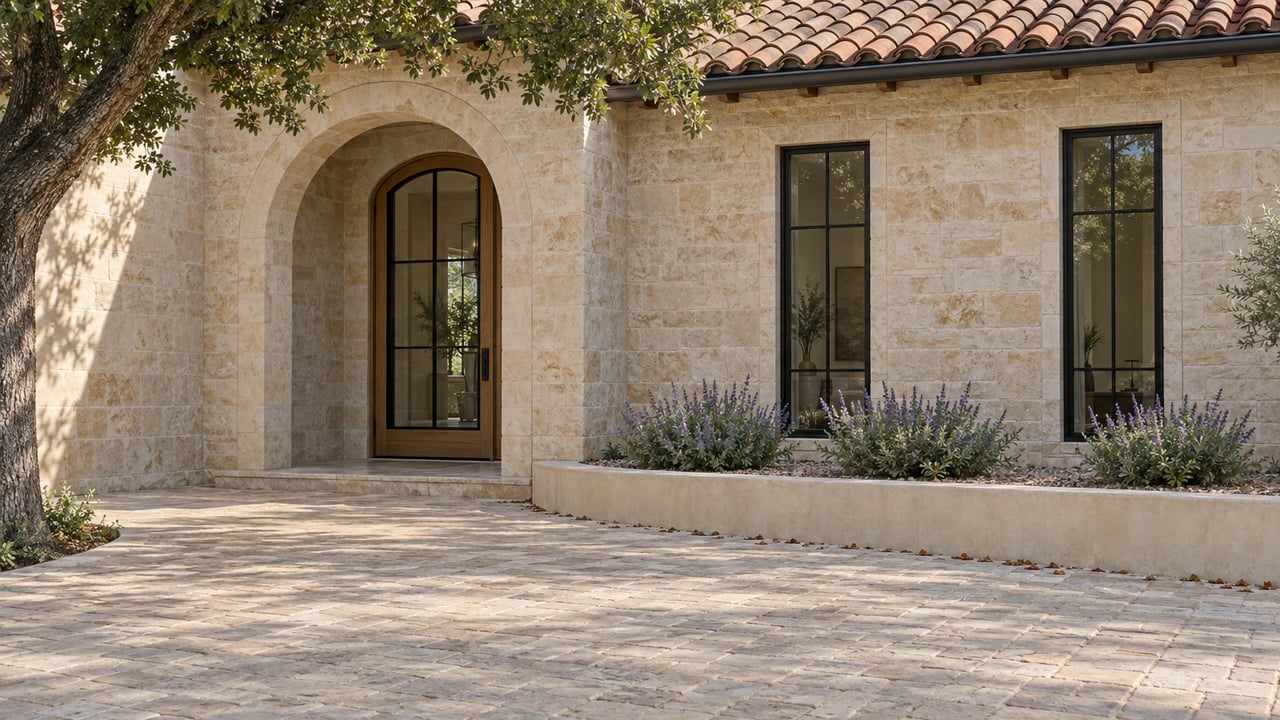
Select plant species that maintain vibrant foliage throughout all four seasons. Incorporating structural evergreens ensures reliable color regardless of the listing month. In Sonoma County and northern California, integrating Mediterranean and native species like lavender, olive trees, rosemary, and salvia provides visual texture while showcasing drought resilience.
Deep wood mulch instantly revitalizes tired garden soils. A clean 2 to 3 inch layer of dark organic mulch suppresses invasive weeds, retains soil moisture during dry periods, and creates sharp contrast with green shrubs. Crisp trench edges separating garden beds from turf provide an unmistakable manicured finish.
Modern buyers seek functional outdoor spaces that extend interior square footage. Power washing flagstone walkways, sealing concrete paver patios, and styling outdoor dining tables with weatherproof accents allow buyers to envision outdoor hosting and relaxed wine country living.
Exterior lighting plays a key role during twilight showings and online media presentation. Low-voltage uplights cast against heritage oak trees, illuminated path borders, and warm accent sconces beside entryways enhance evening curb appeal while highlighting structural architecture.
Overgrown shrubs and low-hanging tree branches obscure second-story windows and diminish interior natural lighting. Elevating tree canopies and pruning shrubs below window sill heights expands visible square footage and enhances defensible space clearances around the home structure.
Source: University of California Cooperative Extension Master Gardener Program and California Department of Forestry and Fire Protection defensible space standards.
While an intricate botanical display can captivate visitors, overly complex planting schemes can trigger buyer concern over intensive weekend labor or excessive water utility expenses. Modern homebuyers, especially relocators from urban centers, strongly favor low-maintenance outdoor spaces.
Achieving this balance involves pairing drip irrigation zones with smart soil sensors, grouping plants by water requirements, and opting for hardy perennial species. A landscape that looks lush yet requires minimal weekly attention is an attractive selling point during negotiations.
Landscaping investments rank among the most cost-effective capital expenditures a seller can undertake before listing. Professional landscape design and targeted curb staging can increase total assessed property valuation by up to 15%, while accelerating transaction velocity by generating stronger initial offer volume.
Focusing on high-impact basics, such as lawn greening, crisp bed edging, fresh dark mulch, and perimeter tree pruning, provides substantial return on investment without over-improving beyond neighborhood market benchmarks.
Ceci Cook is a licensed California real estate advisor (CA DRE# 01159739) with over 15 years of transaction expertise serving Sonoma County, San Francisco, Silicon Valley, and Napa Valley. Specializing in property presentation, strategic pre-listing improvements, and luxury wine country properties, Ceci helps sellers optimize curb appeal and market position for maximum return. Learn more or contact the team at cecicook.com/about.
Well-executed landscaping and curb appeal upgrades can boost final sales value by 7% to 15%. Simple projects like lawn care and fresh mulch offer the highest cost recovery rates, exceeding 100% to 200% at closing.
Hardy Mediterranean and California native species such as French lavender, dwarf olive, rosemary, Russian sage, and native ornamental grasses thrive in Sonoma County climate zones while presenting clean architectural texture.
Major turf restoration and tree trimming should begin 4 to 6 weeks before listing launch to allow grass seed germination and plant recovery. Final mulching, seasonal flower planting, and pressure washing should conclude 48 hours prior to professional photography.
Yes, adhering to California Public Resources Code 4291 defensible space standards by pruning tree branches 6 to 10 feet off the ground and clearing dry combustible brush directly supports buyer insurability and smooth escrow completion.

Primary phone
(650) 868-9188License Number
#01159739Address
109 Mill StStay up to date on the latest real estate trends.
A Practical Guide to Pricing Your Healdsburg Property With Confidence.
A Practical Guide to Mortgages for Buyers in Healdsburg.
Here’s How I Advise Healdsburg Buyers on Mortgages.
Experience exceptional real estate service with Ceci, dedicated to helping you achieve your goals in the San Francisco Bay Area and Wine Country. Contact her today to get started!