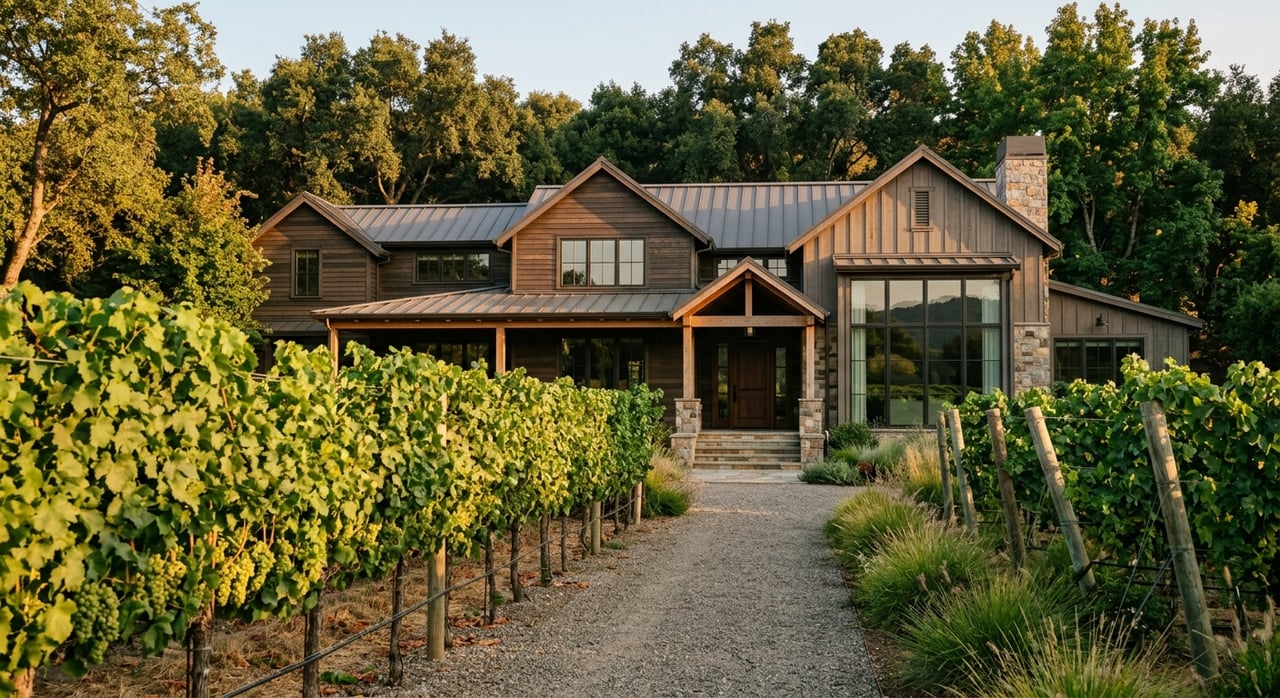
Healdsburg Land and Vineyard Property Basics for Buyers
June 11, 2026
June 11, 2026
Buying land or a vineyard property in Healdsburg can feel exciting right up until the questions start piling up. Is the parcel actually buildable? Are you in the city or the county? Can the property support a home, vines, or both? If you are considering acreage in wine country, a little early diligence can save you time, money, and stress. Let’s dive in.
In Healdsburg, land buyers often deal with two different rule sets. If a property is inside city limits, the City of Healdsburg Planning & Building Department oversees development, and city utility services may be part of the picture for electric, water, sewer, and drainage.
If the parcel is outside city limits in unincorporated Sonoma County, Permit Sonoma handles land-use and development permitting. That distinction matters early because zoning, utilities, access, and permit steps can look very different depending on where the property sits.
This is also a market where vineyard land carries real economic weight. Sonoma County’s 2024 crop report shows total agricultural production at $857.6 million, with winegrapes as the county’s leading commodity at $626.6 million. In other words, vineyard parcels are not a niche side category here. They are a meaningful part of the local real estate landscape.
Lots inside Healdsburg are generally governed by the city’s Land Use Code, zoning map, and development standards. If you are hoping to build a primary home, second home, or explore lot potential near town, city planning and building staff are the starting point for permit-related questions.
These properties may seem simpler than rural acreage, but they still require confirmation of zoning, setbacks, utility connections, and development standards. A lot that looks straightforward online may still have details that affect what you can actually build.
Outside city limits, rural parcels usually come with more moving parts. Permit Sonoma reviews most land development in unincorporated areas, and buyers should be ready for questions around zoning review, planning permits, fire considerations, access, and utility service.
This is where buyers often shift from standard home-shopping mode into land-evaluation mode. The parcel may offer privacy, views, or room to expand, but the path to using it the way you want can be more complex than expected.
If the property already has vines, you will want to look beyond the beauty of the setting. Existing vineyard parcels can raise practical questions about vine age, trellis systems, drip infrastructure, replanting history, and whether the vineyard is ready to continue operating as-is or may need investment.
Sonoma County also treats vineyards differently than many buyers expect from a tax standpoint. Vineyard and orchard plantings are assessed as real property, including supporting fixtures like drip systems, trellis, and stakes.
Some parcels are not planted yet but may appear suitable for future vineyard use. That does not automatically mean they are ready for planting. Site conditions, water availability, grading, drainage, and permitting all need close review before you assume the land fits your plans.
For buyers thinking about both lifestyle and long-term value, this category can be especially appealing. It can also be one of the easiest places to make expensive assumptions if you skip expert review.
Some Sonoma County parcels are under agricultural preserve or Williamson Act contracts. These programs are designed to support agricultural or open-space use and can reduce property taxes, but the contract runs with the land.
That means a lower tax bill may come with limits on future flexibility. Before you count on a different residential or commercial use, it is important to confirm whether the parcel has Williamson Act status through the county parcel report.
Before you fall in love with a view or a row of vines, confirm the fundamentals. A practical first step in Sonoma County is to pull the parcel report and verify whether the property is in Healdsburg city limits or in unincorporated county jurisdiction.
The parcel report can help confirm zoning, groundwater availability, and Williamson Act status. It is a strong first screen, but it is not the same thing as a full legal determination of what exists on the ground or what can be built.
One detail buyers often miss is that assessor maps are for tax administration. They do not establish legal parcels. If boundaries, legal access, or lot status are central to your plans, you may need additional review from title, a surveyor, or other specialists.
For any Healdsburg land purchase, zoning should be one of the first conversations, not one of the last. In the city, the Land Use Code and zoning map govern use. In the county, zoning clearance may be required before building permits are issued.
You should also know that setbacks can change near scenic roadways or waterways in unincorporated Sonoma County. A parcel may seem large enough for your plans, but buildable area can shrink once setbacks, environmental constraints, or access rules are applied.
This is why broad listing language should never replace property-specific due diligence. The right question is not just, “Is this land zoned a certain way?” It is, “What uses are allowed here, and what approvals would I need?”
Rural buyers often focus first on views, privacy, or usable acreage. Access deserves equal attention. In Sonoma County, work in the public right-of-way may require an encroachment permit, and existing driveway entrances serving new or replacement single-family homes may need upgrades to current county standards.
For vineyard and land parcels, roads and driveways can also affect drainage, grading, and permit review. A beautiful approach road may still need engineering or improvements, especially if your plans involve new construction, major site work, or expanded use.
Early access review can help you avoid a common problem: buying the land first and learning later that the route in is more regulated or expensive than expected.
Utility assumptions can quickly derail a land purchase. Inside the City of Healdsburg, utility service is municipal. In rural areas, you need to confirm whether public sewer is available or whether a septic system will be required.
Sonoma County states that where public sewer is not available, homeowners must have septic systems installed. That makes septic feasibility and system condition important factors for both vacant land and improved rural property.
Wells require special attention right now. Sonoma County says a well construction permit is required for a new or replacement water-supply well or for certain significant boring, and the county is currently suspending non-emergency well permits under a Superior Court order. If a parcel’s future use depends on drilling a new well, you should verify current county status before removing contingencies.
If your plans involve irrigation or frost protection beyond a city connection or private well, water-right review may also come into play. California’s State Water Board administers the state water-right system, and Sonoma County’s vineyard site-assessment guidance recommends checking title for existing water rights and permits and confirming groundwater availability before development.
This is not a detail to treat as an afterthought. Water assumptions can affect both operational plans and property value, especially for vineyard-oriented acreage.
A parcel may look ideal in listing photos and still be a poor fit for grapes. UC guidance highlights well-drained soils, full sun, and avoiding poor drainage as important site conditions. Raised beds may help where soils are shallow, claypan, or hardpan.
Sonoma County’s VESCO program regulates new vineyard and orchard site development, along with agricultural grading and drainage. Some projects also require biological review in designated critical habitats.
If the parcel is in the Russian River Watershed, frost-protection systems must be registered, and certain spring frost-diversion rules apply. For buyers considering a new planting or redevelopment plan, these details should be reviewed before you treat a parcel as vineyard-ready.
In and around Healdsburg, wildfire planning is part of smart property evaluation. CAL FIRE notes that wildfire preparedness starts with defensible space and home hardening.
For rural land and vineyard properties, road and driveway systems also matter in this context. Sonoma County’s site-assessment guidance treats access, drainage, and related site work as important early issues, which can tie directly into permitting and practical readiness.
If you are comparing multiple rural properties, wildfire readiness should sit alongside water, access, and zoning on your checklist.
Vineyard property can come with a tax picture that differs from a typical residential purchase. Sonoma County’s Assessor states that vineyard and orchard plantings are assessed as real property, including supporting improvements such as drip, trellis, and stakes.
There is also a notable timing detail for new plantings. Newly planted vineyards are exempt from taxation for the first three years.
If a parcel is under Williamson Act contract, it may receive restricted assessment treatment. Buyers should ask about existing plantings, improvements, and assessment history so there are fewer surprises after closing.
Land and vineyard purchases usually require more specialists than a standard home sale. A strong first-pass team often includes an experienced land or vineyard REALTOR, escrow and title professionals, a surveyor, a civil or land-use engineer, a well and septic specialist, and a vineyard consultant or UC Cooperative Extension contact.
If the parcel involves easements, water rights, or Williamson Act questions, an attorney familiar with California land and water issues can also be useful. The goal is not to make the process feel intimidating. It is to make sure key questions are answered while you still have room to negotiate and investigate.
If you are beginning your Healdsburg land or vineyard search, keep your first steps simple and focused:
That process can help you move from emotional interest to informed decision-making. It also helps you compare parcels more clearly, especially when one property has a stronger view while another has cleaner fundamentals.
Buying land in Healdsburg can open the door to a very personal kind of real estate opportunity, whether you want space to build, room to grow, or a vineyard-oriented property with long-term potential. The key is balancing vision with due diligence so your next step feels as solid as it looks. If you are considering acreage, land, or vineyard property in Healdsburg or nearby wine country, Ceci Cook can help you evaluate the opportunity with local insight and a calm, strategic approach.
Primary phone
(650) 868-9188License Number
#01159739Address
109 Mill St,Stay up to date on the latest real estate trends.

These Are Healdsburg’s Best Green Spaces and Parks.
Why Timing Your Healdsburg Home Sale Makes All the Difference.

A Culinary Destination in the Heart of Wine Country.
Experience exceptional real estate service with Ceci, dedicated to helping you achieve your goals in the San Francisco Bay Area and Wine Country. Contact her today to get started!