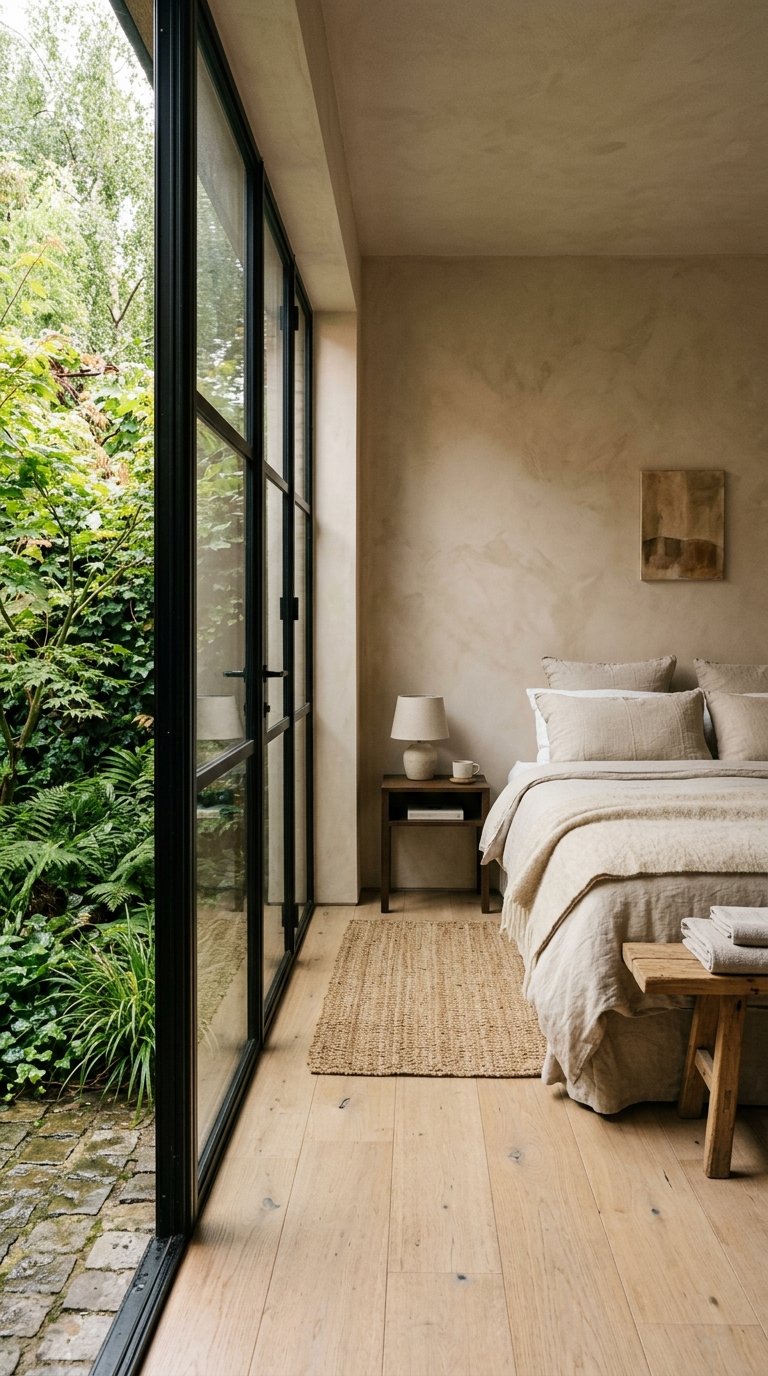
Healdsburg Second-Home Guide for Bay Area Buyers
July 2, 2026
July 2, 2026
Dreaming about a place where weekend plans feel easy, wine country is close at hand, and your second home actually gets used? If you live in the Bay Area, Healdsburg often lands on the short list for good reason. It offers a compact, service-rich setting with a Plaza-centered downtown, but buying here still calls for smart planning around access, upkeep, wildfire readiness, and rental rules. Let’s dive in.
Healdsburg sits about 65 miles north of San Francisco on Highway 101, and the city reports a 2020 population of 11,340 within just 4.1 square miles. That small footprint matters more than it might seem at first. For a second-home buyer, it can shape how often you visit, how easily you manage the home, and how convenient everyday ownership feels.
Because the city is compact and centered around the Plaza, location within Healdsburg can have a real effect on how you use the property. A home closer to town may support spontaneous weekend trips, quicker errands, and easier vendor access. A property farther out may offer more land, privacy, or a vineyard-adjacent setting, but it can also come with more planning.
Another practical advantage is that Healdsburg provides full municipal services, including police, fire, electric, water, and sewer. That can feel very different from a more spread-out rural market. If you want a second home that feels polished and manageable, that service structure is part of the appeal.
Before you focus on finishes, views, or lot size, get clear on how you want to use the home. That single decision affects everything from your search criteria to your tax conversations and permit questions. It also helps you avoid buying a property that fits your dream in theory but not in practice.
You might be looking for:
Usage matters because personal-use days and rental days can affect tax treatment. According to the IRS, a dwelling is treated as a residence if personal use exceeds the greater of 14 days or 10% of the days rented at fair market value. The IRS also states that if a property is rented for fewer than 15 days in a year, rental income is not reported.
That does not mean every second home should become a rental. In Healdsburg, local rules are strict, so your intended use should be realistic from the beginning. If your true goal is simple lock-and-leave enjoyment, that may point you toward one type of property. If you want flexibility, your due diligence needs to go much deeper.
A second home should feel relaxing, not like a second full-time job. In Healdsburg, lock-and-leave planning starts with the basics: how secure the property is, who can respond if something happens, and whether the home is easy to monitor when you are away. Those details matter just as much as design and location.
The City of Healdsburg offers vacation house checks for residents within city limits for up to 10 days per calendar year. The city also uses Nixle for emergency alerts, and Sonoma County uses SoCoAlert. For part-time owners, those systems can add an extra layer of visibility when you are not in town.
The city’s wildfire guidance also encourages residents to maintain several alert channels, an emergency plan, and up-to-date insurance documents. If you are buying with the idea that the home will sit vacant between visits, remote awareness and a clear response plan are essential. That can include trusted vendors, a local contact, and a checklist for what happens if an alert or outage occurs.
Healdsburg operates its own electric utility, but the city notes that there are no guarantees of uninterrupted service. Outages can still happen. For a second-home owner, that makes backup access, remote monitoring, and practical systems planning well worth reviewing before you close.
In wine country, wildfire readiness is not a box to check at the end. It should be part of your early screening process. This is especially true if you are comparing in-town homes with more private or outlying properties.
The city says it has no areas in the very high fire hazard severity zone. At the same time, it also reports that more than half of critical facilities, about 30% of residential structures, and almost 25% of the population are in moderate or high wildfire severity zones. That makes defensible space, home hardening, and insurance review practical due diligence items for many buyers.
As you evaluate a property, ask direct questions about vegetation management, access, and current insurance. You may also want to think about whether the home is easy for service providers to reach when you are away. A beautiful setting can still be a strong fit, but only if the ownership plan matches the realities of the parcel.
One of the biggest second-home decisions in Healdsburg is not just price or style. It is convenience versus space. The answer depends on how you actually live.
If your pattern is frequent weekend use, a home closer to the Plaza may support more last-minute visits and easier day-to-day ownership. If your goal is privacy, entertaining, or a vineyard-oriented setting, a more outlying property may be the better lifestyle fit. The tradeoff is that more land often means more systems, more vendors, and more coordination while you are away.
A simple way to pressure-test this is to ask yourself a few honest questions:
These are not minor details. They often determine whether your second home becomes a true retreat or a property that feels harder to enjoy than expected.
In Healdsburg, pre-offer due diligence should go beyond the home itself. You want clarity on how the property functions and what ownership will require when you are not there. That is especially important for Bay Area buyers who want a smooth, low-friction experience.
Before you move forward, verify:
If you are considering future changes, check those early too. Healdsburg’s ADU guidance says accessory dwelling units can be built in zoning districts that allow residential uses, and a building permit is required. The city also offers a free Thursday One-Stop Assistance Center with Planning, Building, Public Works, and Fire, which can be a helpful starting point if you are exploring an ADU, guest house, or other addition.
Some Bay Area buyers hope a second home might offset costs with occasional short-term rental income. In Healdsburg, that idea requires careful review. The city’s vacation-rental rules are strict, and many properties will not qualify.
According to the city, vacation rentals are permitted only in the CD zoning district, subject to Conditional Use Permit approval. They are not permitted in residential zoning districts, and the maximum rental period is 29 days. The city also advises prospective buyers to ask whether a property already has a Conditional Use Permit and whether it has passed the annual fire and safety inspection.
If a property is operated as a rental to transients, Healdsburg currently collects a 14% transient occupancy tax plus a 2% HTID assessment, for a total of 16%. The city defines a transient as someone occupying the property for 30 days or less, and returns are due monthly. The city also requires business licenses for all businesses operating in the city, and the vacation-rental guidance flags the absence of a business license as a warning sign for an illegal rental.
For parcels outside city limits, do not assume the same rules apply. Sonoma County has its own permit portal that includes vacation rental and hosted rental permit applications. Before you count on rental flexibility, confirm whether the property falls under city or county rules.
A second home can support both lifestyle and long-term planning, but the details matter. This is where you want clear conversations with your CPA, lender, and any relevant local permit office. A well-chosen property is not just beautiful. It also fits how you intend to own and use it.
One California point to know is the homeowners’ exemption. The California Board of Equalization says it is a $7,000 reduction in taxable value for a qualifying owner-occupied principal residence, and rentals and vacation homes do not qualify. The BOE also notes that California property tax bills can include the 1% base rate plus bonds, special taxes, and special assessments, so it is wise to ask whether the parcel carries any Mello-Roos or similar charges.
Bring these questions into your planning process:
The best Healdsburg second-home purchase usually starts with clarity, not urgency. You want a property that matches how often you will come, how much upkeep you want, and whether rental use is truly part of the plan. That makes the search more focused and the decision more confident.
For Bay Area buyers, Healdsburg can offer a rare mix of beauty, convenience, and long-term appeal. The key is understanding that not every charming property works equally well as a second home. When you weigh location, municipal services, security, wildfire readiness, utility setup, and permit realities together, you put yourself in a much stronger position to buy well.
If you are exploring Healdsburg as a second-home destination, working with a local advisor who understands both Bay Area expectations and wine country property nuances can make the process much smoother. If you want a thoughtful, grounded conversation about what may fit your goals, connect with Ceci Cook.
Primary phone
(650) 868-9188License Number
#01159739Address
109 Mill StStay up to date on the latest real estate trends.
A Practical Guide to Mortgages for Buyers in Healdsburg.
Here’s How I Advise Healdsburg Buyers on Mortgages.
How to Choose the Right Real Estate Agent in Healdsburg for Wine Country Buyers and Sellers.
Experience exceptional real estate service with Ceci, dedicated to helping you achieve your goals in the San Francisco Bay Area and Wine Country. Contact her today to get started!